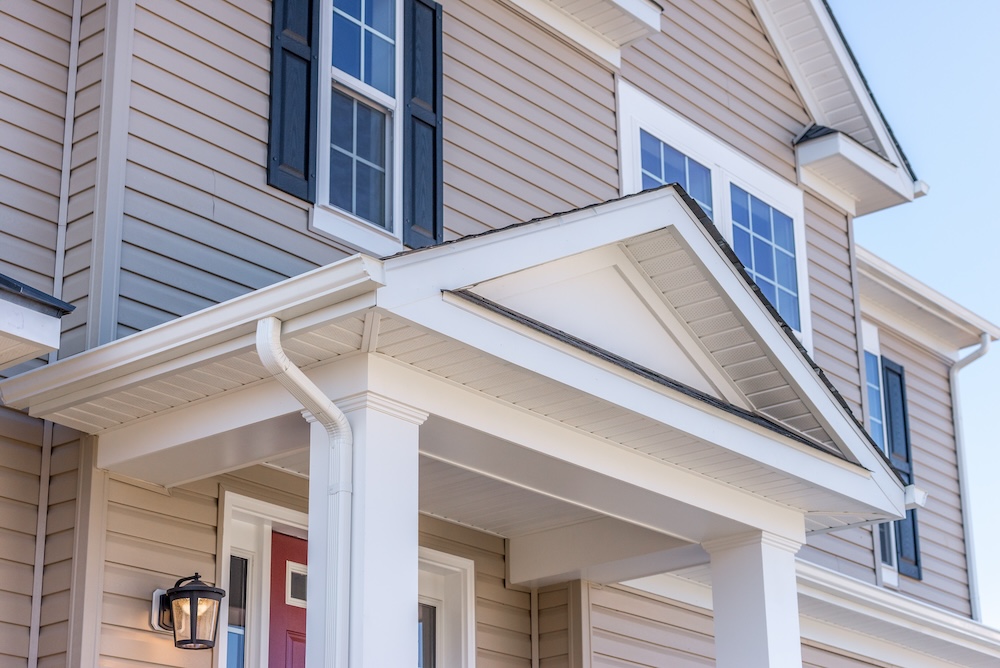
Discover fewer competitors and more opportunities to secure the right home in the fall.
Explore properties comfortably thanks to mild weather and seasonal curb appeal.
Accelerate transactions with year-end motivations, gaining tax benefits and easier moves.
As the busy summer season winds down, the fall real estate market presents unique opportunities that are often overlooked. While spring and summer are traditionally seen as the best times to buy or sell, fall comes with its own set of advantages that can be ideal for navigating the real estate landscape. Let’s discuss these essential tips to find and secure your dream home this fall season.
Less Competition, More Opportunities
The fall real estate market typically sees fewer buyers, which means you have more chances to find the right home without the frenzy of spring bids. For sellers, this season brings serious buyers who are ready to move quickly, potentially making negotiations smoother and faster.
Ideal Weather for House Hunting
Fall often brings milder weather, which makes visiting homes more comfortable and allows you to spend more time evaluating each property without the summer heat or winter chill.
Seasonal Curb Appeal
Even without vibrant leaves, fall has a charm that can enhance a home’s appeal. Simple decorations and a tidy exterior can make a big difference in how inviting your home feels to potential buyers.
Motivated Transactions
With the year-end approaching, both buyers and sellers are motivated to close transactions quickly. This urgency can lead to more straightforward negotiations and faster closings, benefiting everyone involved.
Year-End Tax Benefits
Buying a home in the fall can also offer financial advantages. Closing your home purchase before the year’s end may allow you to claim valuable tax deductions, such as mortgage interest and property taxes.
Convenient Moving Schedules
Purchasing a home in the fall allows you to move in before the hectic holiday season, giving you time to settle in and enjoy your new home when the holidays arrive.
Optimal Time for Home Inspections
Inspecting a home in the fall is practical for ensuring that everything is in order, especially the heating system before the colder months set in.
Navigating Fall’s Unique Real Estate Benefits
The fall real estate market is an excellent time for buyers and sellers to make their move. With less competition, pleasant weather, and significant financial benefits, it’s a season filled with opportunity. Contact us today to navigate this market and successfully find or sell your home this fall.
Discover the differences between Named Peril and Open Peril coverage options.
Learn about common policy exclusions and claim limits for specific items.
Understand how Replacement Cost and Actual Cash Value impact your financial protection.
Navigating homeowners insurance is essential for new and existing homeowners alike. Understanding the basics of what your policy covers helps you protect your investment and meet lender requirements. Let’s dive into the key aspects of homeowners insurance to ensure you are well-equipped to make informed decisions about your coverage.
1. Types of Coverage
Named Peril Coverage: This policy covers damages only if they occur from risks specifically named in the policy, such as fire or wind.
Open Peril Coverage: This coverage is more extensive, protecting against all damages except those explicitly excluded. This is commonly used for structural damage to your home.
2. Coverage Exclusions
A vital part of homeowners insurance is knowing what’s not covered. Standard policies typically exclude natural disasters like floods and earthquakes. If you live in a high-risk area, especially for floods, additional coverage may be necessary to comply with lender requirements.
3. Dollar Limitations on Claims
Understanding the limits of your policy is essential. Many insurance policies set caps on the amount they will pay for certain items, such as jewelry, unless you opt for additional coverage.
4. Replacement Cost vs. Actual Cash Value
Replacement Cost: This coverage pays to rebuild your home without deducting for depreciation, ensuring you can restore your property to its previous condition.
Actual Cash Value: This pays out considering depreciation and is often used for personal property. It may result in a lower payout if your home is destroyed and you choose not to rebuild.
5. Liability Coverage
Your policy’s liability coverage protects you against incidents that occur on your property, which might include injuries to guests or damage to your neighbor’s property. It covers medical expenses, legal fees, and court awards, up to your policy’s liability limit.
Securing Your Home with the Right Insurance Policy
This guide provides a solid foundation for understanding homeowners insurance, crucial for protecting your home and peace of mind. It’s important to ensure that your insurance policy adapts to your changing needs and provides adequate coverage against unexpected events. Don’t navigate these decisions alone—contact us today for personalized advice and to explore additional coverage options that keep your home and investments secure.